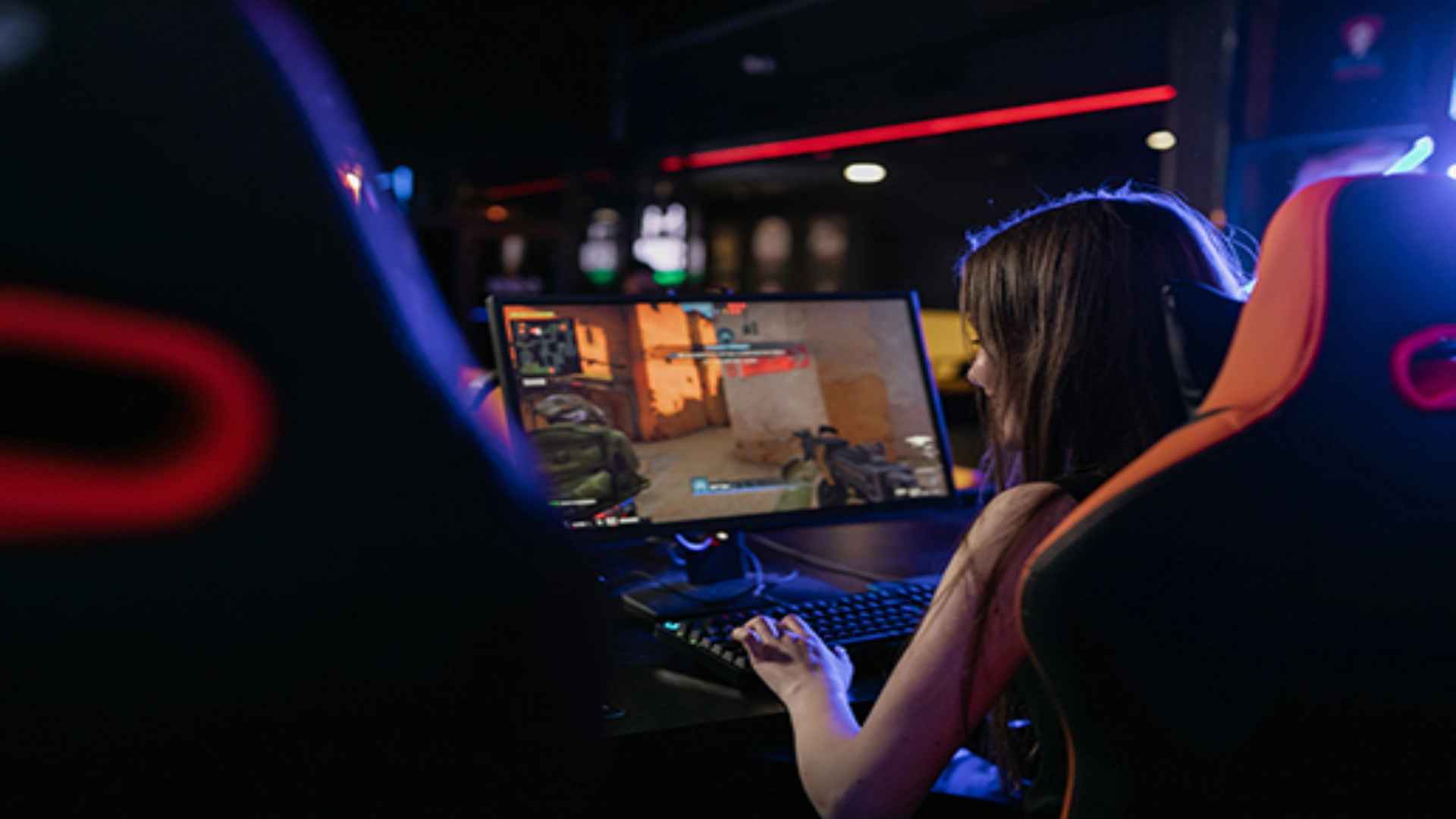
When a competitive match enters overtime and the tiebreaker clock starts ticking down, the mental burden on players reaches its absolute peak. In these high-stakes moments, victory often belongs not to the player with the flashiest moves, but to the one who maintains complete control over their focus and emotional state. Understanding the psychological mechanics at play during these final seconds can help competitors stay composed under severe pressure.
The Impact of Cognitive Overload in High-Pressure Seconds
During sudden death and tiebreaker countdowns, the brain is flooded with real-time variables that require immediate processing. Players must track health pools, elixir management, and opponent rotations while managing their own physical responses like elevated heart rates. This overwhelming surge of information can easily lead to decision fatigue or severe miscalculations if mental discipline breaks down.
Maintaining absolute mental clarity requires filtering out secondary distractions and narrowing concentration down to core mechanics. Skilled competitors train themselves to ignore the visual pressure of a shrinking timer and focus purely on tactical execution. By treating the final seconds as a series of precise, micro-decisions rather than a chaotic scramble, players can maintain their tactical edge.
Managing Emotional Hijacking and Panic Responses
The threat of an imminent tiebreaker loss often triggers the body's natural fight-or-flight response, causing adrenaline to spike rapidly. This physiological reaction can lead to hasty play choices, such as throwing out defensive cards prematurely or miscalculating spell damage thresholds. Recognizing the early signs of panic is the first critical step toward preserving composure during close finishes.
Cognitive control strategies, such as controlled breathing and intentional pacing, help buffer against emotional hijacking in tight scenarios. Elite competitors rely on deep situational familiarity to keep their instincts grounded when time is running out. Staying calm prevents panic-driven mistakes and ensures that every remaining resource is deployed with maximum efficiency.
Building Trust in Pre-Game Preparation and Routines
When the pressure mounts in overtime, relying on well-ingrained routines allows mechanics to remain fluid without conscious overthinking. Hesitation during a tiebreaker countdown usually stems from self-doubt or a lack of confidence in one's primary strategy. Developing structured mental habits before entering competitive matches provides a reliable foundation during high-stress moments.
Consistent practice in high-intensity scenarios conditions the mind to treat overtime countdowns as routine situations rather than existential crises. Players who regularly simulate late-game pressure develop muscle memory that kicks in automatically when the match hits its visual climax. Trusting your preparation reduces cognitive friction and allows for instantaneous, accurate micro-adjustments.
Maintaining Resilience After Near-Miss Tiebreakers
The outcome of a match decided by a few hit points or a fraction of a second can have a lingering psychological impact on future performance. Dwelling on missed opportunities during a tiebreaker often leads to emotional carryover, causing tilt in subsequent games. Learning to process these high-intensity moments constructively is vital for long-term competitive growth.
Post-match reflection should focus on analyzing execution rather than fixating on the frustration of a close loss. Every intense countdown provides valuable data regarding spatial awareness, resource timing, and stress tolerance. By viewing high-pressure tiebreakers as opportunities for mental conditioning, competitors can systematically build the psychological fortitude required for consistent victory.